
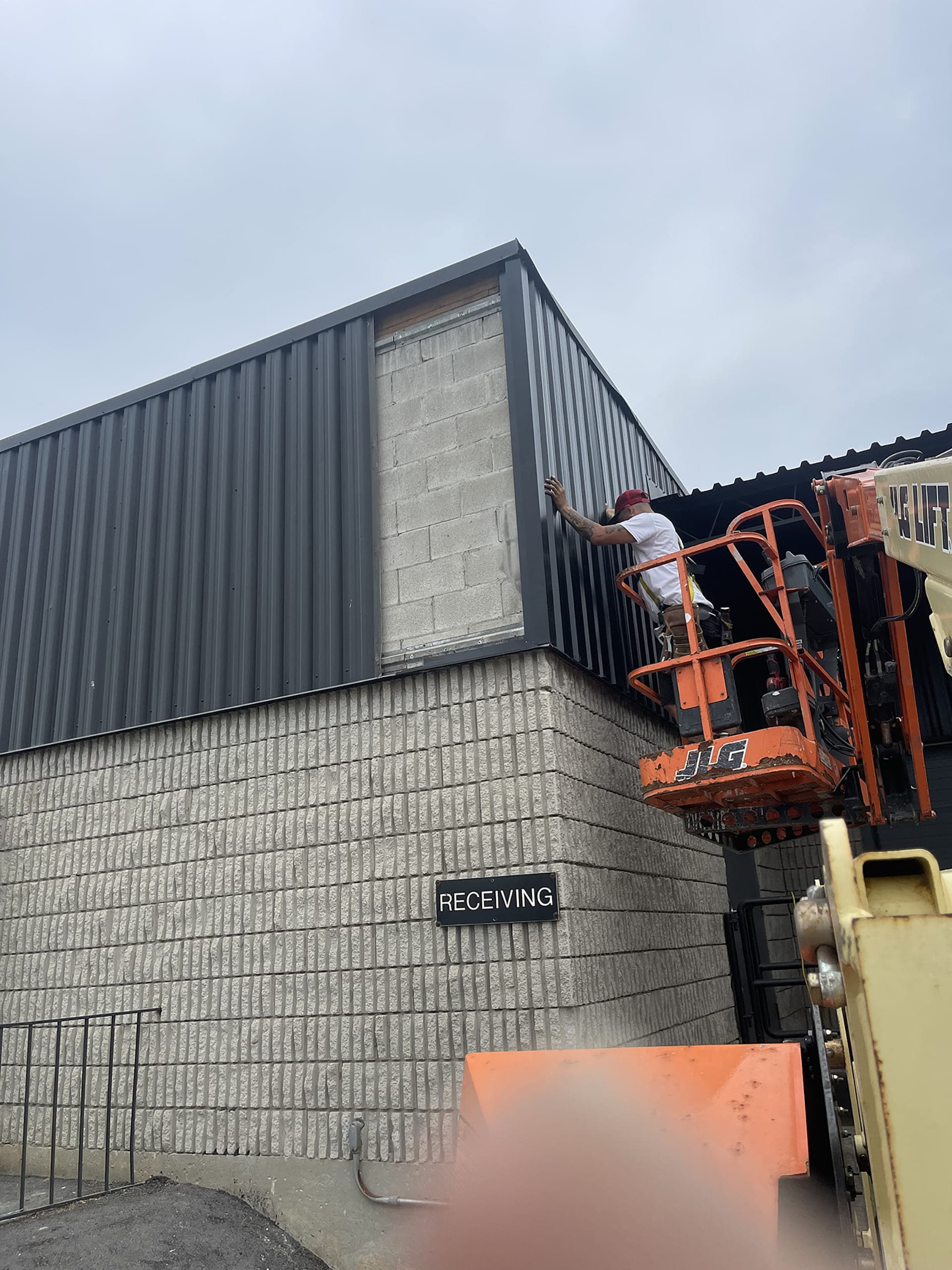
Commercial Property Maintenance Checklist: The Ultimate 2026 Guide
Walk into a well-maintained commercial building and you don’t notice the maintenance. The lighting works. The HVAC keeps a consistent temperature. The common areas are clean and in good repair. The safety systems are functional and documented.
Walk into one that isn’t being properly maintained and you notice everything. None of what you notice reflects well on the property or the management.
Commercial property maintenance done right is invisible. This guide covers how to get there, with a practical checklist that covers every major system and surface that a commercial property manager needs to stay on top of.
What Is Commercial Property Maintenance?
Commercial property maintenance is the ongoing work of keeping a non-residential building and its systems safe, functional, compliant, and in good condition. It covers everything from daily cleaning and garbage collection to annual engineering inspections and emergency response.
Commercial building maintenance includes routine inspections of HVAC systems, plumbing, electrical wiring, and structural components such as roofs and windows. The routine maintenance schedule should include daily, weekly, monthly, and yearly tasks.
The distinction from residential maintenance is scale, complexity, regulatory weight, and the number of people depending on the building functioning properly every day. A missed filter change in a residential HVAC system is an inconvenience. A missed service on a commercial system serving a hundred people in an office building is a different category of problem.
What Services Are Included In Commercial Property Maintenance?
The service list for a commercial property is broader than most people expect when they first take on property management responsibilities.
Mechanical systems. HVAC, plumbing, electrical, elevators, and any building automation systems. These need scheduled servicing, not just reactive repair.
Building envelope. Roof, exterior walls, windows, doors, and all the sealing and waterproofing that keeps weather out. Annual inspections minimum, with immediate response to any identified deficiencies.
Fire and life safety. Fire suppression systems, alarm systems, emergency lighting, exit signage, fire extinguishers, and evacuation plans. These aren’t optional and they’re all regulated with specific inspection and documentation requirements.
Cleaning and janitorial. Common areas, restrooms, lobbies, parking structures, and any spaces shared by multiple tenants.
Grounds and exterior. Landscaping, snow and ice management, parking lot maintenance, exterior lighting, and any drainage management on the property.
Compliance management. Staying on top of permit requirements, mandatory inspections, regulatory changes, and documentation that demonstrates compliance.
Commercial Building Maintenance Checklist: 9 Essential Steps
1. HVAC System Maintenance
Commercial HVAC maintenance is one of the highest-priority items on any building manager’s list. Tenant complaints about temperature and air quality are among the most common in commercial buildings, and most of them trace back to HVAC maintenance gaps.
Monthly filter checks and changes. Quarterly inspection of mechanical components and drainage. Annual full service by a qualified refrigeration mechanic. Seasonal damper and controls adjustments for changeover. Belt and bearing checks on air-handling units. Coil cleaning when required.
Document every service visit. HVAC service history is useful for warranty purposes, budgeting, and demonstrating due diligence if a system failure results in a complaint.
2. Plumbing System Maintenance
Commercial plumbing serves a lot of users. The wear that is produced in fixtures, drainage systems, and water supply components is proportional.
Monthly fixture inspections and drain condition checks. Annual backflow preventer testing with certification, which is a regulatory requirement in most Canadian municipalities. Water heater service on a schedule based on age and capacity. Pipe inspection at appropriate intervals for older buildings.
3. Electrical System Maintenance
Electrical maintenance in a commercial context has two components: keeping the systems operational and maintaining the documentation that proves compliance with regulatory requirements.
Emergency lighting testing requirements under provincial fire codes are specific and non-negotiable. Exit sign inspections. Load monitoring on distribution panels. Surge protection systems. Generator testing if the building has backup power.
For commercial properties with significant tenant electrical loads, having a qualified electrical contractor on the maintenance roster who knows the building is worth the relationship-building investment.
4. Roof and Building Envelope
The roof and building envelope protect everything inside the building. When they fail, the damage cascades quickly into interior finishes, mechanical systems, and tenant spaces.
Two formal roof inspections per year are the standard for commercial properties: spring to assess winter damage and fall before wet weather and freeze-thaw cycles begin. After any significant weather event, an additional inspection of vulnerable areas is worth doing.
Building envelope inspection covers not just the roof but all exterior cladding, window seals, door seals, penetrations, and expansion joints. Any point where water could enter the building envelope is a maintenance point.
Asset preservation through regular maintenance extends building lifespan and protects property value over the long term. The roof and building envelope are the most direct example of that principle in action.
5. Fire and Life Safety Systems
Fire and life safety systems are the most legally regulated part of commercial property maintenance in Canada. The requirements vary by province and building type, but the principle is consistent: these systems must be tested, maintained, and documented on a mandatory schedule, and the records must be available on request.
Fire suppression system testing and inspection. Fire alarm system testing. Emergency lighting testing. Exit sign inspection. Fire extinguisher inspection and certification. Evacuation plan currency. Fire access route maintenance.
Fire alarm testing, elevator inspections, backflow prevention, emergency lighting are all legally mandated with documented proof required.
These aren’t items where you decide the schedule based on budget. The schedule is set by code. Falling behind on mandatory inspections creates liability exposure and potential occupancy issues.
6. Elevators and Vertical Transportation
Elevators in commercial buildings are subject to mandatory inspection and certification requirements under provincial legislation across Canada. These aren’t discretionary maintenance items.
Elevator inspections are mandatory and must be conducted on schedule.
Beyond the mandatory inspections, elevators benefit from regular preventive maintenance by a qualified elevator mechanic. Cab interior maintenance, door alignment and operation, emergency phone testing, and lighting are all regular maintenance items.
Elevator downtime in a multi-storey commercial building is a significant tenant relations issue. A maintenance programme that prevents failures is far less disruptive than reactive repair.
7. Grounds and Exterior Maintenance
Commercial exterior and grounds maintenance covers a lot of territory: landscaping, snow and ice management, parking lot maintenance, exterior lighting, drainage management, and building perimeter condition.
For commercial properties in Canada, the winter maintenance programme needs to be in place before the first snow. Snow removal contracts should be arranged in advance, de-icing materials should be stocked, and response protocols should be documented.
Parking lot condition inspections in spring and fall, with crack sealing and pothole repair as needed, keep the surface manageable and reduce liability exposure from trip and fall incidents.
8. Cleaning and Janitorial Services
Cleaning in commercial properties is a scheduled, documented service, not just a response to when things look visibly dirty. The standard that tenants expect is one of consistent, professional cleanliness throughout the common areas they use daily.
Daily cleaning of common areas, washrooms, and entrance areas. Weekly floor care for lobbies and corridors. Monthly window cleaning. Deep cleaning on a scheduled basis for higher-intensity areas. Waste and recycling management coordinated with municipal collection schedules.
Pest control is often managed alongside cleaning and janitorial services. Regular pest inspections and preventive treatment are standard in commercial buildings, particularly food service and retail properties.
9. Maintenance Documentation and Compliance Records
Documentation serves three practical purposes in commercial property management.
It proves compliance when regulators ask. It protects the property owner and manager in the event of an incident. And it provides the maintenance history that makes future planning and capital budgeting possible.
Every inspection, service, test, and repair should be logged. Certificates for regulated systems should be kept current and accessible. Deficiency reports and the corrective actions taken in response should be documented. Vendor contracts and service records should be filed systematically.
Many landlords approach commercial property maintenance reactively rather than proactively. The properties with documented, structured maintenance programmes consistently outperform reactive ones in tenant retention, compliance, and long-term value.
Conclusion
A commercial property that’s well-maintained practically runs in the background. Systems work. Tenants don’t complain. Regulators find nothing to flag. The building holds its value and attracts the kind of tenants who take care of their space.
That outcome is the result of a maintenance programme that’s planned, scheduled, executed, and documented. This checklist is the starting point for building one.
Have Questions About Your Project?
Our team of experts is here to help you make the right decisions for your property.