
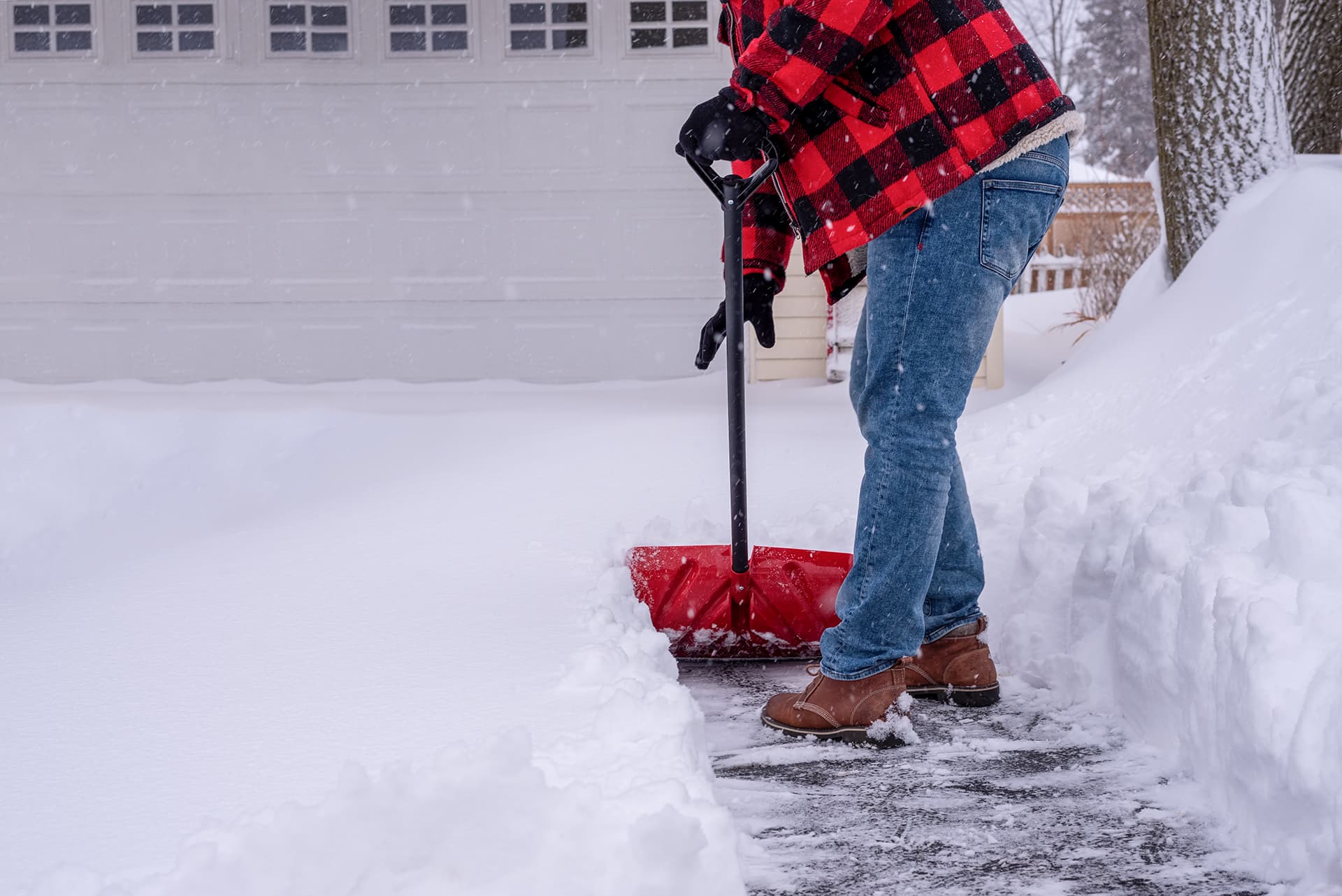
Effective Snow and Ice Removal Tips for Homeowners
Snow removal is one of those winter tasks that gets harder the longer you wait. Fresh snow is light and manageable. Snow that’s been walked on, rained on, and frozen overnight is a different problem entirely. These snow removal tips are built around the same principle: act early, use the right tools, and don’t leave anything until the storm is over.
For most Canadian homeowners, snow removal is a seasonal reality that comes around every year without much surprise but somehow still catches people unprepared. The right approach isn’t complicated. It’s just consistent. Here’s what that looks like across every part of your property.
Why Timely Snow Removal Matters
Leaving snow too long creates two separate problems. The first is safety: compacted snow turns to ice and ice causes falls. The second is property damage. Snow left sitting too long expands cracks in concrete. When snow melts during the day and freezes overnight, it widens small cracks. Over time, this leads to costly driveway repairs.
Speed matters because time works against you. Snow that sits gets compacted by footsteps and freezing temperatures. What could have taken ten minutes early can turn into an hour of backbreaking work later.
There’s a simple reason experienced homeowners clear snow early: it’s easier. Clearing early reduces physical strain and lowers injury risk. It keeps snow from bonding to pavement before overnight refreezing and prevents thick ice buildup that later requires chipping.
On top of that, there are local bylaws to think about. In most Ontario municipalities, sidewalks need to be cleared within a set window after snowfall ends. Getting it done early keeps you compliant and keeps your property safe.
Best Snow Removal Tips For Homeowners
Start before the storm ends. Waiting until snowfall stops means dealing with a full accumulation all at once. One of the most popular mistakes made by homeowners is to put off getting a
shovel until the storm is past. Snow is typically compacted, heavy, and considerably more difficult to remove by that point.
Clear in stages during longer storms. A quick pass every few hours during heavy snowfall keeps the total volume manageable and prevents compaction.
When you do shovel, push snow rather than lift it where possible. Use your legs rather than your back. Stretch before you start and take breaks during long sessions. Clear the snow in small piles rather than in large ones to avoid straining your body. Push the snow instead of lifting it, using your legs, knees, and arms rather than your back.
It’s a smart rule of thumb to tackle snow removal before snow starts to accumulate significantly. This helps reduce time spent outdoors and allows you to remove snow in stages to keep walkways and your driveway clear.
Once you’re out there, work methodically. Clear a path from the door first so you have an exit route. Then work outward. Push snow to the sides rather than piling it somewhere it’ll need to be moved again. Get snow off walkways before it gets packed down. First choice is to get all the snow off the walk as it’s falling, and also get it far enough back so when it melts it just doesn’t migrate back and freeze on the walk.
Snow Blower Tips For Faster Snow Removal
A snow blower covers ground much faster than a shovel and saves a lot of physical strain. But there are a few things worth knowing to get the most out of it.
Don’t wait for the storm to fully stop before you use it on a heavy snowfall. Running it in passes during a storm keeps the total depth manageable and prevents the kind of packed, heavy accumulation that slows a blower down.
If you plan on using a snow blower, try using it on flat surfaces like a driveway and avoid using it on steep steps.
Point the chute away from cars, windows, and the road. Blowing snow onto a public road can create hazards and, in some municipalities, it’s actually against local rules.
Roof Snow Removal Tips
Roof snow removal is one area where being cautious with your own safety and cautious with the roof surface both matter.
Removing snow from a roof is an operation which is hazardous both for the person on the roof and for anyone who circulates near the house. Besides the risk of a fall, consider the proximity of any electrical wiring and installations.
For most residential pitched roofs, a telescoping roof rake from ground level handles the lower section safely. If snow is deep, wet, or ice has formed, or if your roof is steep, high, or difficult to access, it’s best to contact a professional service. Always prioritise personal safety over speed or convenience.
If ice dams persist, it could be a result of poor insulation in the attic or the highest floor of your home. Consult a professional about checking your attic insulation and roof ventilation.
Eco-Friendly Snow Removal Solutions
Using less salt, and smarter, is one of the simpler changes a homeowner can make to their winter routine.
Salt damages concrete and asphalt over time, particularly through repeated freeze-thaw cycles where it speeds up the expansion and contraction process. It also affects grass and plants along driveways and walkways.
Alternatives like calcium chloride, sand, and eco-certified ice melt products work effectively with less collateral damage. Applying de-icer before a storm rather than after means you need less of it overall, because it’s preventing bonding rather than breaking through ice that’s already formed.
When To Hire Professional Snow Removal Services
Hiring professional snow removal isn’t just for people who can’t manage the work themselves. It’s also for people who’ve decided their time is better spent elsewhere, or whose property is large enough that DIY is genuinely impractical.
Seasonal contracts are usually better value than one-off calls. You pay a flat rate for the season and the crew comes out after each storm. For homeowners in areas with heavy or unpredictable snowfall, that predictability has real value on top of the convenience.
You won’t have to worry every time snow is predicted since you’ll know that your property is protected.
Tools Every Homeowner Should Have For Snow Removal
You don’t need an elaborate setup, but the right tools make a real difference.
An ergonomic snow shovel with a curved or adjustable handle reduces back strain. In addition to shovels and snowblowers, keep ice scrapers, ice chippers, and roof rakes on hand to manage ice buildup on vehicles, walkways, and roofs.
A roof rake with an extendable handle lets you clear the lower section of the roof safely from the ground. Ice melt or a de-icing product suited to your surface type. And for driveways over about
50 feet, a snow blower is worth the investment for anyone who regularly deals with heavy snowfall.
The basic kit for any homeowner who handles their own snow removal:
A good ergonomic shovel designed to push rather than lift. A roof rake with a telescoping handle for clearing roof edges. An ice chipper for breaking up stubborn frozen patches. Ice melt or sand for traction after clearing. Warm, non-slip gloves and boots with grip.
Prepare Early, Clear Smart, and Handle Winter With Less Stress
Winter is easier when you’re not reacting to it. Act before the storm, act during it if it’s heavy, and act right after rather than leaving things to harden overnight. The snow removal tips here are all built on that same logic.
Take care of the roof, not just the driveway. Use eco-friendlier products where you can. And build a stock of what you need before the season starts so you’re not scrambling for a shovel when there’s a foot of snow outside.
Build the habits, have the tools, know when to call in help, and Canadian winters become a lot less stressful.
Have Questions About Your Project?
Our team of experts is here to help you make the right decisions for your property.