
Top 15 Property Maintenance Solutions for Your Property
Keeping a property in good condition isn’t one big task. It’s a lot of small ones, done on a schedule, before they have the chance to become expensive ones.
This guide covers 15 property maintenance solutions that cover the major systems and surfaces of any property, with enough detail to actually be useful when you’re planning out your maintenance calendar.
The Crucial Role Of Property Maintenance
The financial case for regular maintenance is easy to make. Fixing something before it fails costs a fraction of what it costs after. That principle applies to every system in a building.
Beyond cost, there’s safety, compliance, and tenant or occupant satisfaction. A property that gets consistent attention is safer to live or work in, easier to rent, and far less likely to generate emergency calls at inconvenient hours.
When maintenance gets pushed down the priority list, it doesn’t disappear. It accumulates. And when that accumulated list eventually demands attention, it’s longer, more expensive, and more disruptive than it would have been if it had been handled progressively.
The best property maintenance approach isn’t reactive. It’s proactive, seasonal, and built on a system rather than a response to whatever just broke.
Essential Property Maintenance Solutions
1. Regular HVAC Servicing
Most HVAC failures don’t happen suddenly. They happen after months of reduced airflow, dirty coils, and overworked components. Filter changes are cheap and fast. Professional servicing once a year catches the things a filter change doesn’t. Put both on a schedule and the system runs well for years.
2. Plumbing Inspection and Leak Detection
Water damage is expensive and quiet. A slow drip under a cabinet, a slightly weeping pipe joint, a seal that’s just starting to fail. None of these announce themselves loudly. They just keep going until someone notices the damage they’ve already done.
Walk through and check under sinks, around appliances, and at the water heater periodically. Check water pressure. Look for any staining on ceilings or walls that wasn’t there last time. Catching a leak early is a completely different repair bill than catching it late.
3. Roof and Gutter Maintenance
Two inspections a year covers most properties. Spring to assess winter damage and fall before the wet season arrives. Check for missing or lifting shingles, damaged flashing, and signs of moss or water pooling. Clear gutters and downspouts at both inspections.
Blocked gutters are one of the most common causes of water damage that finds its way into walls and foundations. It’s also one of the easiest things to prevent with a ladder and an hour of time.
4. Electrical System Checks
Electrical issues are a safety concern before they’re a maintenance concern. Flickering lights, outlets that feel warm, breakers that trip frequently. None of these are things to watch and wait on. Regular panel checks, annual detector testing, and prompt attention to anything unusual keep the electrical system safe and functional.
5. Exterior Paint and Sealant
Paint and caulking are the first line of defence against moisture getting into your building envelope. When they start to fail, the problems that follow are more expensive than the paint. Annual inspection and resealing at joints and penetrations is one of the more cost-effective best property maintenance habits you can build.
Most exterior maintenance is cheap when it’s done on schedule and expensive when it’s deferred. Checking and refreshing exterior sealants and paint before they fully fail is one of those simple habits that prevents a cascade of more serious issues.
6. Pest Control
Pest control belongs in the preventive column, not the reactive one. Termite damage especially happens slowly and silently. An annual professional inspection combined with basic prevention measures keeps infestations from becoming structural problems.
7. Drainage and Grading
Water that moves away from the building is water that isn’t doing damage. Drainage and grading issues tend to develop gradually and show up as wet basements, water pooling near the foundation, and landscapes that stay saturated after rain. Checking that ground slopes away from the building and that drainage paths are clear is part of a complete best property maintenance routine.
8. Window and Door Seals
Weatherstripping and window caulking degrade over time without much visible warning. Building an annual check into your best property maintenance schedule keeps heat in and moisture out, which benefits both energy bills and the building envelope.
9. Safety System Testing
Safety systems are the ones people test least often because they rarely seem urgent. Making them a fixed part of the maintenance schedule removes the guesswork. Monthly detector tests take about two minutes and they’re not optional.
The worst time to find out a safety system isn’t working is when you need it. Regular testing on a set schedule, not whenever someone remembers, is what keeps these systems actually functional.
10. Landscaping and Grounds
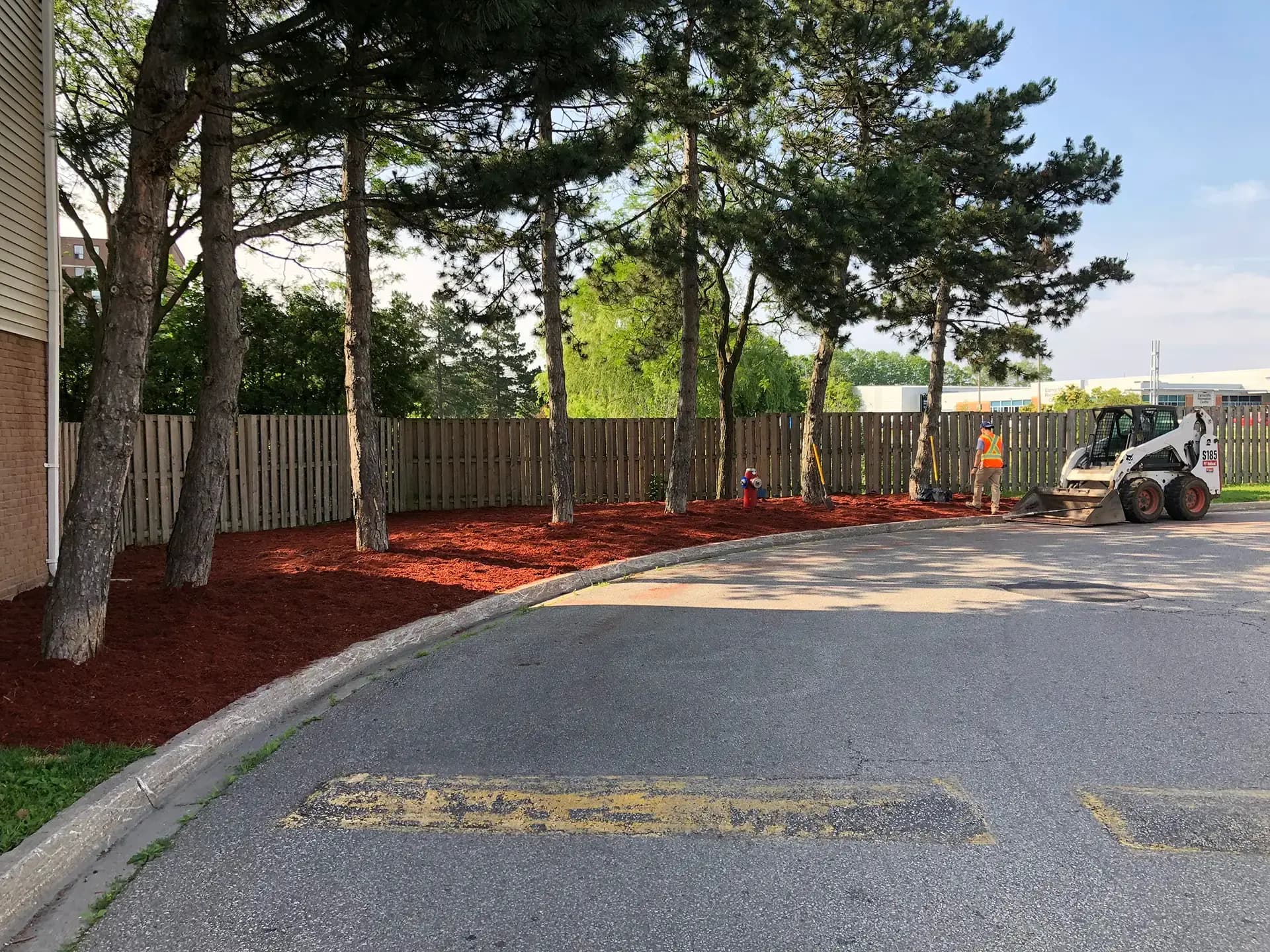
Regular grounds maintenance keeps the property safe, functional, and presentable. Trees near the building should be checked for dead or overhanging branches. Drainage in the yard connects directly to drainage around the foundation. Cracked pavement needs attention before freeze-thaw cycles make it worse.
Landscaping maintenance that includes structural considerations like tree health, drainage, and hardscape conditions is more valuable than maintenance focused only on appearances. What the yard looks like matters less than what it’s doing to the building underneath it.
11. Foundation Checks
Include foundation checks in annual walkthroughs. What you’re looking for is change. New cracks, widening existing ones, signs of moisture in areas that were dry before. These are early signals that something is worth looking at before it becomes a structural issue.
Most foundation problems become obvious to the naked eye well before they become structural emergencies. That early window is when repairs are most straightforward and least expensive. Checking periodically and noting changes is what keeps that window open.
12. Water Heater Maintenance
Water heaters have a finite lifespan and they give signals before they fail. Sediment buildup reduces efficiency and shortens that lifespan. Annual flushing removes sediment and extends the unit’s life. Check the pressure relief valve at the same time. A water heater that fails without warning is an inconvenient expense. One that’s been maintained goes on schedule at the end of a long, efficient life.
13. Preventive Maintenance Scheduling
A maintenance schedule takes the work out of remembering what needs doing and when. Monthly tasks for safety and common area checks. Quarterly for mechanical systems and exterior walkthrough. Annual for professional services and structural review. Put it on a calendar and it runs itself.
Building a maintenance schedule is what turns a list of best property maintenance intentions into actual work that gets done. Even a basic one-page calendar with tasks grouped by frequency is far more effective than trying to keep track of everything in your head.
14. Vendor Relationships
The contractors you call when something goes wrong should be contractors you’ve already worked with. Finding a good plumber or electrician for the first time during an emergency is one of the more stressful ways to spend a day. Build those relationships during non-emergency work and they’re there when you need them.
A vendor network is a maintenance tool. The plumber you call for a non-urgent job, who knows your property and your systems, is a very different experience from the first available contractor on a Saturday morning. Investing in those relationships as part of your best property maintenance approach pays off reliably.
15. Documentation and Record Keeping
Every maintenance task that gets done should get recorded. Date, vendor, cost, and any relevant photos or notes. That record becomes the most useful thing you have when you’re budgeting for next year, dealing with a warranty claim, or trying to explain the property’s maintenance history to an insurance company or a buyer.
Documentation turns a maintenance effort into a maintenance history, and a maintenance history has real value. For compliance, for insurance, for resale, and for your own planning. Take photos. Log dates and costs. Keep it somewhere you can find it.
Elevate Your Property Maintenance Game
Taking your best property maintenance approach from reactive to proactive is mostly a planning exercise. Once the schedule is built and the habits are in place, it runs with much less effort than managing a never-ending list of deferred repairs.
The best property maintenance isn’t complicated. It’s consistent. A system that catches small things before they become big ones, backed up by records that tell you what’s been done and what’s coming next. Build that system and the property looks after itself more than it demands attention.
Simple Property Maintenance Solutions That Prevent Costly Repairs
Property maintenance done well is invisible. You don’t notice the roof that doesn’t leak, the HVAC that runs quietly, the foundation that stays dry. You only notice when those things fail. The solutions in this list are what keep them from failing.
None of these solutions are complicated. What they require is consistency. A property that gets looked after on a schedule, with good records and reliable vendors, is a property that holds its value and avoids the kind of costs that come from leaving things too long.
Have Questions About Your Project?
Our team of experts is here to help you make the right decisions for your property.