
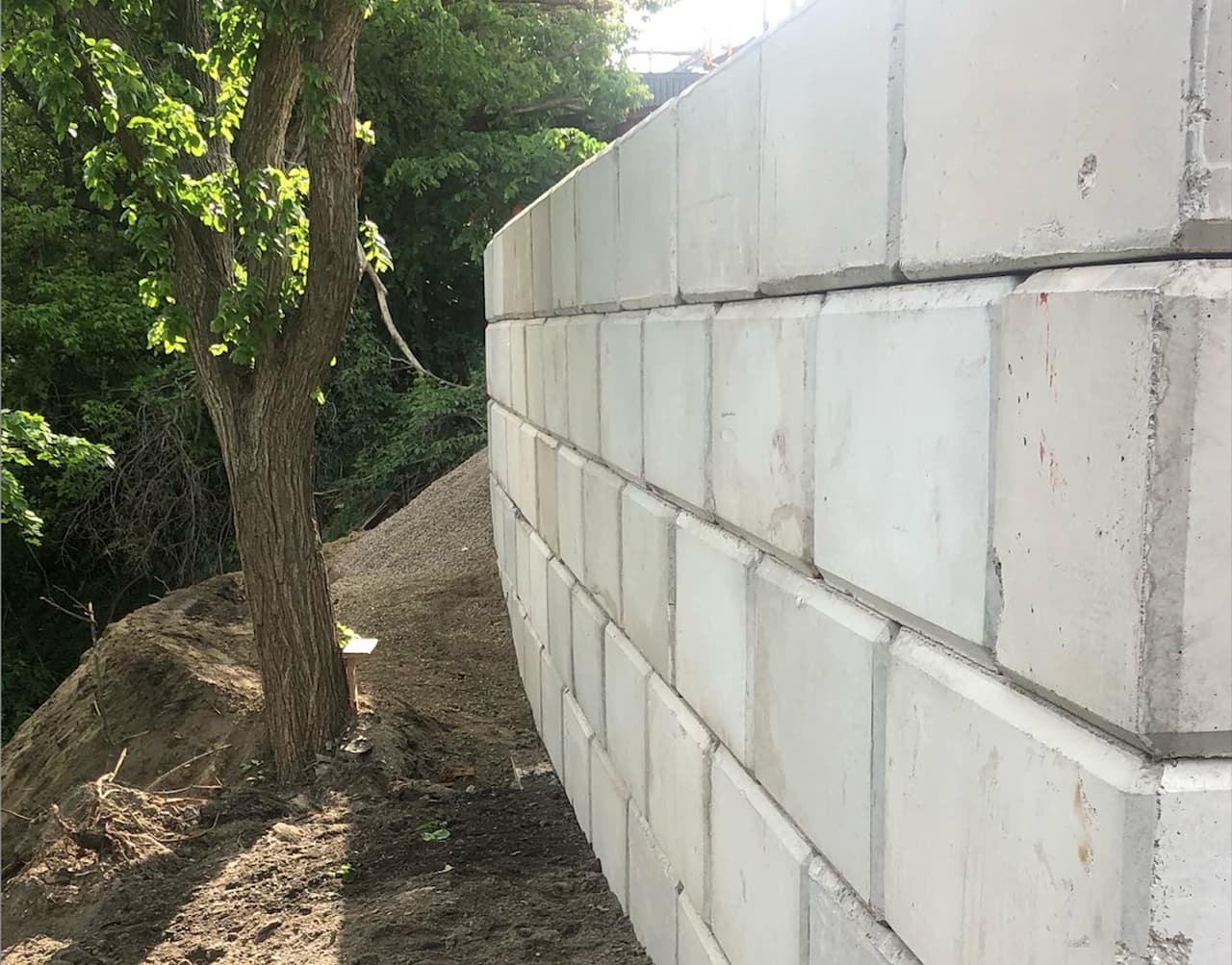
Retaining Wall Maintenance: 7 Tips For Long-Term Durability
Before we go into maintenance advice, it’s important to know what retaining walls do for your property.
In short, retaining walls are made to stop soil from moving and to control the flow of water over your yard. They help keep soil from eroding, keep slopes stable, and move water away from places where it could do damage. Retaining walls not only have utilitarian uses, but they also improve the look of outdoor spaces by giving structure and clean lines to the landscaping. This makes the outside of your house look quite nice.
Even the strongest retaining walls need to be fixed every now and then. Things go apart if you don’t. Minor issues like clogged drains, minor fractures, or soil movement can quickly turn into big structural concerns if you don’t pay attention to them every now and again.
But you might assume that keeping your retaining wall in good shape is hard work. It’s not that hard at all.
To make sure your retaining wall works for many years, all you need to do is check it regularly and do a few simple procedures. That being stated, this post will explain why maintenance is important and give you seven useful techniques that will help your retaining wall last longer than it does now.
Why Retaining Wall Maintenance Is Important
Regular maintenance of retaining walls can help keep problems like cracks, bulging, drainage failures, soil erosion behind the wall, and parts that start to lean or shift from happening.
If you don’t fix these problems, they could end up costing you a lot of money to fix. In more catastrophic circumstances, the wall might potentially fall down altogether, which could hurt plants or buildings nearby. That’s something homeowners should try to stop early.
Regular maintenance makes it simpler to spot little warning signs before they grow into bigger problems with the structure. It’s much easier to fix a small crack or clear a blocked drain than to rebuild a whole section of a wall.
Maintenance not only keeps your building safe, but it also keeps the outside looking good. A well-kept retaining wall not only keeps your landscaping looking nice, but it also does its job as a structure.
Common Issues That Require Maintenance
Even well-made retaining walls might have problems over time. The stability of the structure can be affected by natural soil movement, the weather, and water pressure.
One of the most typical problems is cracking or bulging. Small cracks can form as the ground settles naturally or when the temperature changes. Cracks that get bigger or portions that start to protrude out may mean that pressure is building up behind the wall. Bulging happens a lot when dirt or water presses against the structure from behind.
Another big difficulty is drainage. To keep water from building up behind a retaining wall, it is important to have good drainage. When water builds up, it causes hydrostatic pressure that presses on the structure. Over time, this pressure can cause cracks, tilting, or the structure to crumble. Water collecting against the wall, damp spots on the surface, or soil washing out from behind the wall are all signs of drainage problems.
Homeowners should also keep an eye out for soil erosion. Heavy rain can slowly wash dirt away from behind the wall, causing holes that make the wall’s support system weaker. Parts of the wall may shift or sink if erosion keeps happening.
A wall that starts to lean or tilt forward is another really bad symptom. If a building is leaning, it usually means that there is too much pressure behind it or that the foundation is weak. You should check for any little tilt right away to stop it from moving farther.
How Often Should You Inspect a Retaining Wall?
One of the best methods to keep a retaining wall in good shape is to have it checked on a regular basis. Most experts say that you should check your retaining walls at least twice a year, in the spring and fall if possible.
Homeowners can find damage caused by changing weather conditions by having seasonal inspections. Winter freeze-thaw cycles can cause fissures, while severe spring rains might cause soil erosion or problems with drainage.
You should also check the wall after bad weather like severe rainstorms, flooding, or landscaping work nearby. When you inspect, look closely for cracks, leaning parts, closed drainage holes, and indicators that the soil around the building is moving.
7 Maintenance Tips for Retaining Walls
It’s not hard to keep your retaining wall in good shape. A few easy things you can do to keep up with maintenance can make the structure last a lot longer.
The first thing you need to do is check things out on a regular basis. Walking along the wall every few months will help you find cracks, loose stones, or bulging spots early. It is easier to fix problems before they get worse if you pay attention to modest changes over time.
Another important step is to keep the drainage working properly. Water collecting behind a retaining wall is one of the main causes of structural damage. Make sure the weep holes are still open and the drainage lines are still clear. Getting rid of leaves, dirt, or trash that comes in the way of water flow could help ease some of the pressure on the wall.
Cleaning the top of the retaining wall is another way to keep it in good shape. Dirt, algae, and moss can build up over time, making it harder to see cracks and other issues. It will stay looking great and be easy to check if you wash it with water and a little brush every so often.
Fixing small cracks as soon as you can is another important thing to accomplish. If water gets inside the building, even small holes could develop bigger over time. Depending on what the wall is composed of, small cracks can be quickly fixed with patching compounds, mortar repairs, or by replacing damaged blocks.
You should also keep an eye on the plants that are growing on or near the wall. When the roots grow, they can slowly drive the stones or blocks away from each other. This as a result might make the construction weaker. So for the safety of the roots, weeds must be pulled out and huge plants should be staying away from while constructing retaining walls.
If some parts of the wall look weak or unstable, you may need to add more support. This could mean putting in extra supports, fixing the drainage beneath the wall, or repairing parts that are broken. In these cases, it can be helpful to talk to a professional contractor to find the best answer.
Finally, it’s very important to watch how the ground changes behind the wall. If you see signs like soil pushing over the top of the wall, gaps forming between the wall and the soil around it, or the ground sinking unevenly nearby, you should be worried. Taking care of these changes early on helps keep the structure from moving.
Seasonal Retaining Wall Maintenance Tips
Seasonal maintenance protects retaining walls from damage caused by the weather.
In the spring, look closely at the wall for any damage that may have happened since it was so cold in the winter. You should also check the drainage system and the land around it because heavy rain and melting snow can also cause drainage problems or soil erosion.
In the fall, pick up leaves and other trash from locations where water drains and examine the wall before winter comes. If you fix little cracks before the weather gets colder, they won’t get bigger when the weather gets warmer and then colder again.
Checking the retaining wall every season helps it stay strong all year round.
Signs Your Retaining Wall Needs Immediate Repair
You might be able to do a lot of maintenance work early, but some warning signs need to be addressed right away.
If there are big cracks or fractures that are getting worse quickly, it could signify that the structure is under a lot of stress. If the walls are bulging out a lot or starting to lean forward, this is also a huge warning that the structure may be under too much stress.
You might need to fix things if you detect water leaking through the wall or stones and blocks that aren’t tight. When these kinds of difficulties emerge, it’s usually advisable to consult a professional contractor to save things from getting worse.
DIY vs Professional Retaining Wall Repair
Homeowners can undertake a lot of the basic upkeep on their retaining walls. You don’t need a pro to clean the wall, pull weeds, check the drainage systems, or fix small cracks.But more serious problems usually need the help of a professional. Most of the time, professionals need special tools and skills to fix structural problems, fix the foundation, rebuild damaged parts, or put in new drainage systems. If you hire a qualified contractor, you can be sure that the repair will be done safely and correctly.
Simple Maintenance Goes a Long Way
Simple care can make a big difference. You won’t have to sweat much to take care of your retaining walls. As an outcome, it will keep your home safe and prevent the soil from moving.
Simple things like checking the structure from time to time, keeping the drainage system in good shape, fixing small cracks early and watching the soil movement with time are all you need to do.
But make sure that these simple things are done on a regular basis for the retaining walls to stay sturdy and work well.
If homeowners take care of the wall properly, they can avoid problems with the structure, lower maintenance expenses, and make the wall last longer.
Have Questions About Your Project?
Our team of experts is here to help you make the right decisions for your property.